

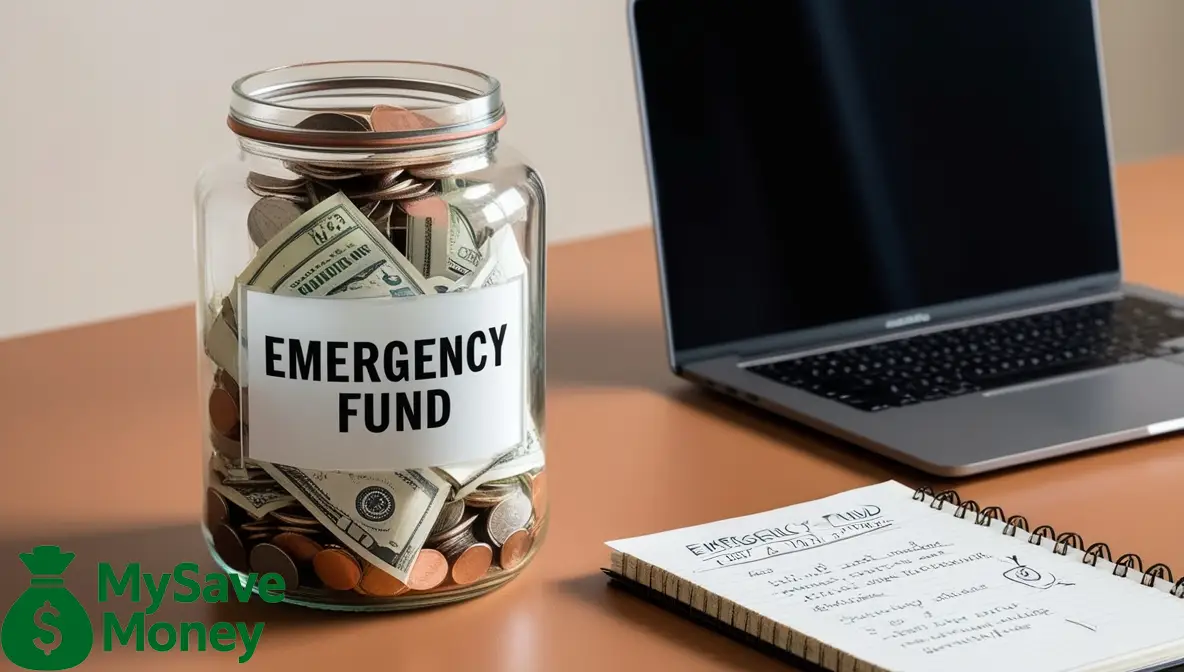
Emergency Fund 101: Why You Need One & How to Build It
Life has a way of throwing unexpected surprises — a car repair, a medical bill, or a sudden job loss. When these happen, most people reach for their credit cards and end up in debt. That’s where an emergency fund comes in — your personal safety net to stay financially secure during tough times.
In this guide, we’ll explain why you need an emergency fund and how to build one step-by-step, even if you’re living paycheck to paycheck. You’ll learn practical savings strategies, where to keep your fund, and how much you really need — all tailored for U.S. readers.
Let’s get you prepared for life’s surprises — without financial stress.
Table of Contents
What Is an Emergency Fund and Why You Need One
An emergency fund is money you set aside specifically for unexpected expenses. It’s not for vacations, new phones, or impulse buys — it’s for true emergencies.
Why It Matters
- Avoid debt: Without savings, emergencies often lead to credit card debt with high interest.
- Peace of mind: You can sleep better knowing you’re financially prepared.
- Financial freedom: It helps you stay in control of your money and decisions.
According to a Bankrate 2025 survey, only 44% of Americans could cover a $1,000 emergency with savings. That means more than half risk going into debt when life hits hard.
👉 Source: Bankrate.com Emergency Savings Report
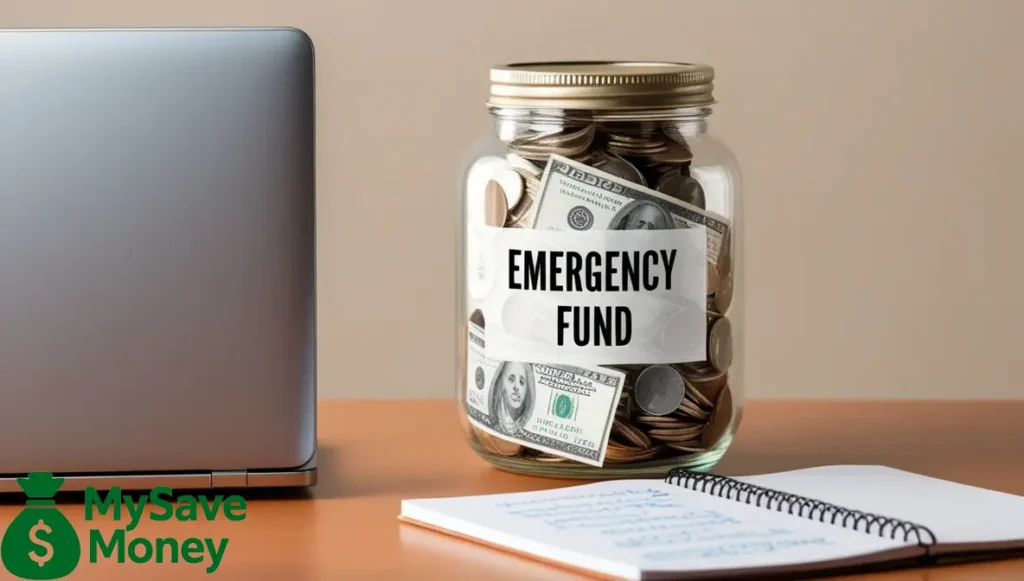
How Much Should You Save in an Emergency Fund?
The ideal amount depends on your personal situation.
General Rule of Thumb
- Minimum Goal: Start with $1,000 for small emergencies (repairs, bills, etc.).
- Long-Term Goal: Save 3–6 months of living expenses.
For example:
If your monthly expenses are $3,000, aim for an emergency fund between $9,000–$18,000.
Factors to Consider
- Stable job or self-employed? Freelancers or gig workers may need 6–12 months of savings.
- Family size: More dependents = higher emergency needs.
- Health coverage: Gaps in insurance? Save more for medical surprises.
Step-by-Step: How to Build an Emergency Fund
Step 1: Set a Realistic Goal
Start small — even $10–$20 per week adds up. Use a goal tracker to stay motivated.
💡 Tip: Break it down. If you save $20 weekly, you’ll have over $1,000 in a year.
Step 2: Open a Separate Savings Account
Keep your emergency money separate from your checking account so you won’t be tempted to spend it.
Best U.S. High-Yield Savings Accounts (2025):
- Ally Bank – No fees, great app.
- Marcus by Goldman Sachs – Competitive interest rates.
- Discover Online Savings – Easy setup and transfers.
Look for accounts with FDIC insurance and no withdrawal penalties.
Step 3: Automate Your Savings
Set up an automatic transfer every payday. Treat it like a bill — non-negotiable.
Example:
If you earn $2,000 a month, automate $100 (5%) into your emergency fund account.
Apps like Chime, Digit, and Qapital help automate small transfers you won’t even notice.
Step 4: Cut Unnecessary Spending
Free up extra cash by trimming non-essential expenses.
Here’s how to start:
- Cancel unused subscriptions (use tools like Truebill).
- Cook at home instead of eating out.
- Use cashback apps like Rakuten and Ibotta.
- Switch to a cheaper phone or streaming plan.
💰 Even saving $5 a day = $150/month — that’s $1,800/year!
Step 5: Boost Your Income
If saving feels tough, earn extra cash with side hustles.
Easy U.S.-based side hustles:
- Deliver for DoorDash or Instacart.
- Freelance on Fiverr or Upwork.
- Sell items on Facebook Marketplace.
- Start a blog or YouTube channel (monetize your passion).
Every extra dollar can go straight into your emergency fund.
Step 6: Use Windfalls Wisely
Got a tax refund, bonus, or gift money? Save a portion (or all) of it.
Even saving half of your tax refund can accelerate your fund significantly.
Step 7: Don’t Touch It (Unless It’s a Real Emergency)
Your emergency fund should only be used for:
- Medical bills
- Car repairs
- Job loss
- Urgent home repairs
Avoid using it for vacations, shopping, or non-essential spending.
If you use it, rebuild it as soon as possible.
Where to Keep Your Emergency Fund
Choose a safe, liquid place so you can access your money quickly.
Best Options
- High-Yield Savings Account – Best for quick access + interest.
- Money Market Account – Slightly higher returns, easy withdrawals.
- Short-Term CDs – Good for partial funds you don’t need right away.
Avoid risky investments (stocks or crypto) — your emergency fund must stay stable and accessible.
Real-Life Example: Building an Emergency Fund on a Tight Budget
Meet Sarah, a 28-year-old teacher from Texas.
She started saving $25 a week using an automatic transfer to her Marcus account. After 6 months, she had $600 saved — then received a $1,200 tax refund and added it.
In one year, Sarah built a $1,800 emergency fund, which covered her car repair when her brakes failed — without needing a credit card.
That’s the power of consistency!
Emergency Fund Mistakes to Avoid
- ❌ Keeping it in cash at home — unsafe and earns nothing.
- ❌ Mixing it with your checking account.
- ❌ Using it for non-emergencies.
- ❌ Not replenishing after using it.
Stay disciplined — your future self will thank you.
Free Download: Emergency Fund Starter Checklist (Google Sheets)
To help you stay on track, download our Emergency Fund Starter Checklist & Tracker (Google Sheets) — it includes:
- Step-by-step savings milestones
- Monthly contribution tracker
- Motivation chart for your savings goal
👉 Download Emergency Fund Tracker (Google Sheets)
FAQs About Emergency Funds
How long will it take to build an emergency fund?
It depends on your income and savings rate. Start small and stay consistent — most people can reach $1,000 in 6–12 months.
Should I invest my emergency fund?
No. Keep it in a liquid, low-risk account like a high-yield savings account for easy access.
How can I save if I live paycheck to paycheck?
Start tiny — save your spare change, use cashback apps, or earn extra income. Small progress matters.
Is $1,000 enough for an emergency fund?
It’s a good starting point, but aim for 3–6 months of expenses long-term.
Where should I open my emergency fund account?
Try trusted U.S. banks like Ally, Marcus, or Discover with no minimum balance and high APY.
Conclusion
An emergency fund is the foundation of financial stability. It protects you from debt, gives you peace of mind, and helps you stay on track toward bigger goals — like homeownership or investing.
Start small, automate your savings, and stay consistent. In time, your emergency fund will grow — and so will your financial confidence.
👉 Subscribe for more U.S. money-saving tips and download your Emergency Fund Tracker to get started today!
[…] helps you align spending with your goals — whether that’s building an emergency fund or saving for a home down payment.A cheap mindset, however, can backfire — skipping car maintenance or […]
[…] reduce costs, you first need to see where the money goes. Here’s a quick […]
[…] If you’re living paycheck to paycheck, you’re not alone. Many Americans are searching for ways to earn extra income to cover rising expenses and build emergency savings. The good news? You don’t need to quit your job to make more money. Starting a side hustle to boost your savings can help you reach your financial goals faster — whether it’s paying off debt, saving for a vacation, or building an emergency fund. […]
[…] By setting alerts and canceling unnecessary charges, she saved over $300 per month — money she now puts into an emergency fund. […]
[…] Healthcare costs can feel overwhelming, but with the right strategies — from using telehealth to maximizing HSAs — you can stay healthy and financially secure. […]
[…] aggressively saving for retirement, protect yourself from debt.Aim for $500–$1,000 in an emergency fund.Once you have that cushion, you can invest more confidently without dipping into retirement savings […]
[…] By owning less, you’re not giving up comfort — you’re gaining control over your money, time, and focus.You’ll spend more on things that truly matter — like paying off debt, traveling, or building an emergency fund. […]